The history of basketball is a tapestry woven with moments of breathtaking athleticism and groundbreaking social change. While the game itself was invented in 1891, the journey toward true inclusion took decades, marked by the courage of pioneers who defied entrenched racial barriers. The story of the first Black basketball players is not just one of athletic achievement. But a crucial chapter in the history of civil rights and the integration of American sports.
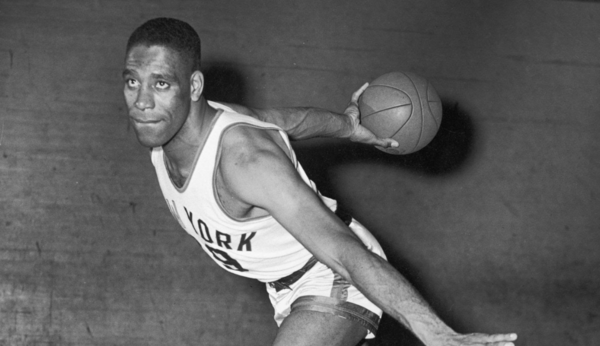
This article delves into the narratives of the men who first broke the color line in major collegiate. And professional basketball, highlighting their struggles, triumphs. And enduring legacy that paved the way for the global, diverse game we know today.
Part 1: The Early Pioneers—From Segregated Courts to the NBA
Long before the integration of professional sports became a widespread reality. Talented Black athletes were dominating games in segregated leagues and on all-Black college teams. The path to the integrated major leagues was hard-won, requiring legislative change and remarkable individual perseverance.
Breaking the Professional Barrier: Earl Lloyd
The most recognized date for the integration of the modern National Basketball Association (NBA) is 1950. On October 31, 1950, Earl Lloyd became the first Black player to step onto an NBA court. Playing for the Washington Capitols, Lloyd beat out two other soon-to-be pioneering players—Chuck Cooper and Nat “Sweetwater” Clifton—by just one day.
- A Quiet Revolution: Lloyd’s debut was understated, reflecting the national media’s cautious approach to covering integration. He faced immense pressure and experienced racial discrimination on the road, often unable to stay in the same hotels. Or eat in the same restaurants as his white teammates.
- The Trio of Trailblazers: While Lloyd played first, Chuck Cooper was the first Black player drafted by an NBA team (the Boston Celtics). And Nat “Sweetwater” Clifton was the first to sign a contract, joining the New York Knicks. Together, these three men shattered the professional barrier, proving their talent was undeniable and their presence was inevitable.
The Impact of the Early NBA Integrators
The immediate impact of Lloyd, Cooper, and Clifton was monumental. Their success demonstrated that Black players could compete and thrive at the highest level of professional basketball. They fundamentally changed the talent pool, forcing teams to prioritize skill over segregation, which ultimately accelerated the evolution of the game itself, making it faster, more dynamic, and more athletic.
Part 2: The Collegiate Battlegrounds—The ACC and the SEC
While the NBA was integrated in 1950, major college basketball conferences, especially those in the South, maintained racial barriers for nearly two more decades. The integration of these programs often required the most courageous individual acts.
The ACC Pioneer: Billy Ray Shirley (Maryland)
The Atlantic Coast Conference (ACC), a hotbed of college basketball passion, was a major front in the fight for integration. While several teams made tentative efforts, Billy Ray Shirley of the University of Maryland is largely recognized as the first Black scholarship athlete in ACC basketball history, joining the team in 1965.
His participation opened the floodgates for talent across the conference, eventually leading to the formation of the ACC powerhouse teams defined by diversity.
The SEC’s Struggle: Perry Wallace (Vanderbilt)
The integration of the Southeastern Conference (SEC) was perhaps the most fraught, given the region’s deep adherence to segregationist policies. Perry Wallace of Vanderbilt University became the first Black basketball player in the SEC in 1966.
Wallace’s experience was grueling. He faced hostility from opposing fans, threats, and isolation, often being the only Black student-athlete in the arena. His quiet resilience and perseverance, backed by the support of Vanderbilt’s administration, were instrumental in breaking the SEC’s color barrier, setting a precedent that allowed the league to eventually recruit Hall of Fame-level Black talent.
Part 3: The Enduring Legacy of the First
The achievements of the first Black basketball players extend far beyond their individual careers. They laid the crucial social and athletic groundwork for the game’s modern era.
Redefining the Game
The integration of basketball did more than just add players; it added styles. Black players brought new levels of creativity, athleticism, and streetball flair that revolutionized the pace and spectacle of both the collegiate and professional games. The athleticism showcased by these pioneers set the standard for modern basketball.
A Foundation for Social Progress
The success of these athletes on the court was a significant, visible victory for the Civil Rights Movement. Their ability to perform at the highest level under immense pressure served as a powerful metaphor for equality, demonstrating that opportunity—not race—should be the determinant of success. Every subsequent Black superstar, from Michael Jordan to LeBron James, stands on the shoulders of pioneers like Lloyd, Cooper, Clifton, Shirley, and Wallace.
Conclusion: Courage Beyond the Court
The story of the first Black basketball players is a testament to extraordinary talent meeting historical inevitability. Earl Lloyd, Chuck Cooper, Nat Clifton, Billy Ray Shirley, and Perry Wallace were more than just athletes; they were societal trailblazers whose courage forced open doors that had long been shut. Their legacy is not measured solely in points or rebounds, but in the enduring diversity and global reach of a game they helped integrate, forever changing the face of American sports and paving a clearer path for all those who followed.