Formula 1 has always been more than just a sport; it is a high-speed laboratory where the world’s most advanced automotive technologies are forged. As we move through the 2026 season, the sport is undergoing one of the most significant transformations in its seventy-year history. This evolution is driven by a quest for sustainability, closer racing, and a radical rethink of what a racing car should be. For fans and tech enthusiasts alike, understanding these shifts is essential to appreciating the spectacle on the track.
The 2026 Technical Revolution: Lighter and Nimbler
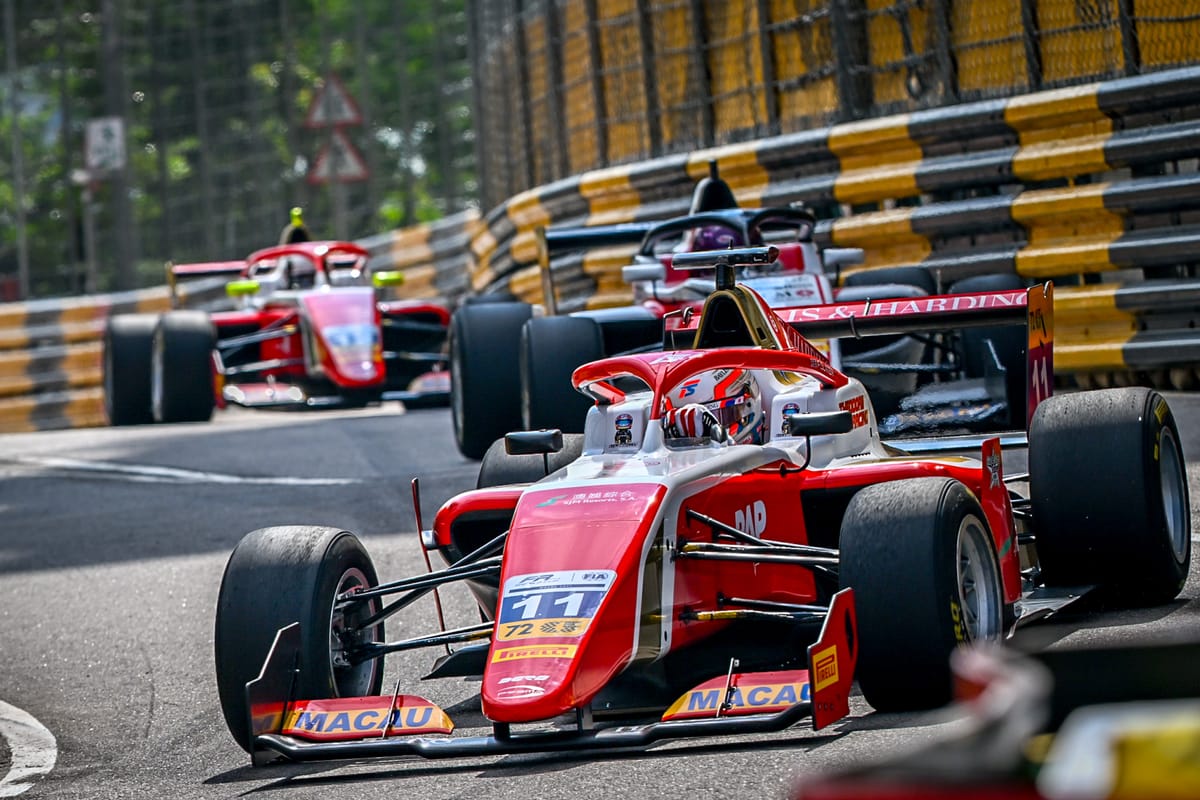
For nearly a decade, Formula 1 cars had been criticized for becoming “boats”—large, heavy machines that, while incredibly fast, lacked the agility of their predecessors. The current 2026 regulations have directly addressed this through the “Nimble Car” concept. The wheelbase has been shortened by 200mm, and the width reduced by 100mm. Most importantly, the minimum weight has dropped by approximately 30kg.
While 30kg might seem insignificant for a road car, in the world of F1, where teams fight for gains of a few grams, it is a monumental shift. These smaller dimensions allow for more wheel-to-wheel action on tight street circuits like Monaco or Singapore, giving drivers the confidence to attempt overtakes in gaps that previously did not exist.
Power Unit Evolution: The 50/50 Split
Under the hood, the changes are even more dramatic. The sport has moved away from the complex and expensive MGU-H (Motor Generator Unit – Heat) and shifted its focus toward massive electrification. The current power units now deliver a near 50/50 split between the internal combustion engine (ICE) and electrical power.
The electrical output has skyrocketed from the previous 120kW to a staggering 350kW. This shift isn’t just about speed; it’s about road relevance. As the global automotive industry moves toward hybrid and electric futures, Formula 1 is positioning itself as the leader in energy density and battery efficiency. Furthermore, the sport now runs on 100% sustainable fuels, proving that high-performance internal combustion can coexist with a net-zero carbon future.
Active Aerodynamics and the End of Conventional DRS
One of the most talked-after innovations in this era is the introduction of active aerodynamics. Unlike the old DRS (Drag Reduction System) which only opened the rear wing, the modern cars feature movable elements on both the front and rear wings.
The cars now operate in two primary modes:
- Z-Mode: High downforce for maximum grip through corners.
- X-Mode: Low drag for maximum top speed on the straights.
This system allows the car to be “slippery” when it needs to be fast and “stuck to the ground” when it needs to turn. This technological leap has replaced the somewhat artificial nature of DRS with a more integrated “Manual Override Mode,” where drivers must strategically manage their energy deployment to gain a power boost for overtaking.
The Impact of the Budget Cap on Competition
Beyond the carbon fiber and hybrid engines, the most important rule change in recent years has been the Financial Regulations. The cost cap, now adjusted to approximately $215 million to account for inflation and the development of new car generations, has successfully leveled the playing field.
In the past, teams like Ferrari, Mercedes, and Red Bull could outspend the rest of the grid by hundreds of millions of dollars. Today, a smaller team with efficient engineering can genuinely compete with the giants. We are seeing a grid that is closer than ever, where a few tenths of a second can be the difference between a podium finish and a mid-field exit. This financial parity ensures that the “human element”—the skill of the driver and the ingenuity of the strategists—becomes the deciding factor.
Iconic Storylines: Legends and Rising Stars
The technical side is the bones of the sport, but the drivers are its soul. The 2025-2026 period has seen some of the most seismic driver shifts in history. Lewis Hamilton’s move to Ferrari stands as the headline of the decade, a dream pairing of the sport’s most successful driver and its most iconic team. Watching a seven-time world champion adapt to the “Prancing Horse” while battling younger talents like Charles Leclerc and Max Verstappen has brought a renewed energy to the fan base.
Simultaneously, a new generation of “prodigy” drivers is entering the fray. Names like Kimi Antonelli and Oliver Bearman are no longer just prospects; they are the future, proving that the ladder from Formula 2 to the pinnacle of motorsport is working effectively to find the next world champion.
Conclusion
Formula 1 is currently in a golden era of balance. It has successfully integrated cutting-edge hybrid technology and 100% sustainable fuels without losing the raw, visceral thrill of racing. By making the cars smaller, more agile, and financially regulated, the FIA and Formula 1 have ensured that the sport remains the “Pinnacle of Motorsport” for decades to come. Whether you are a fan of the engineering marvels or the high-stakes drama of the drivers, there has never been a more exciting time to follow the grid.
Would you like me to generate a specific meta-description or a list of keywords to help this article rank better on search engines?