A Deep Dive into Major League Baseball Teams

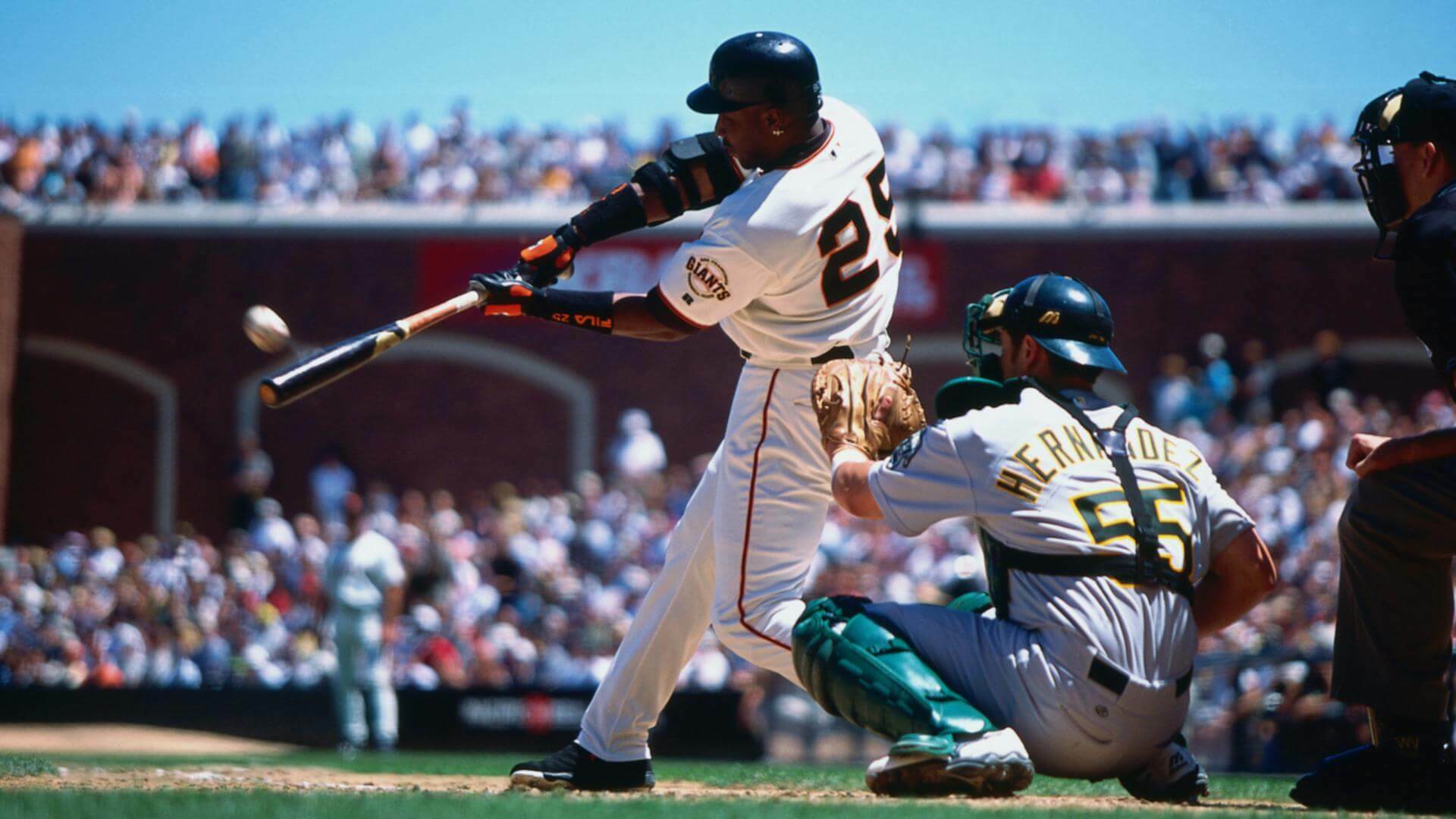
Major League Baseball (MLB) is a cornerstone of the American sports landscape, embodying tradition, history, and a deliberate pace unlike any other major sport. Comprised of 30 teams divided into the National League (NL) and the American League (AL). MLB operates as a sprawling, decentralized ecosystem where every franchise. From the historic titans to the recent expansion clubs, contributes to the overall narrative of “America’s Pastime.”

This article explores the fundamental structure of MLB teams, highlighting the factors that define their success, rivalry, and enduring connection with their local communities.


The Dual Structure: National League vs. American League

MLB is organized into two primary leagues, each further subdivided into three divisions (East, Central, and West). While the leagues share a common set of rules for competitive play, a key distinction—the presence of the Designated Hitter (DH)—historically separated them, though the DH rule is now universal.

The American League (AL)

The … Read more

Continue Reading

An Examination of the 2019 Major League Baseball Standings

The 2019 Major League Baseball season was a landmark year defined by extraordinary offensive power, elite pitching performances, and a remarkably high concentration of success at the top of the standings. It was a season that celebrated the 150th anniversary of professional baseball. And culminated in one of the most improbable World Series victories in recent memory. Examining the 2019 standings reveals a season of stark contrasts. Where a handful of teams dominated their respective leagues, setting the stage for an unforgettable October.

The regular season concluded on September 29, 2019, having featured four teams finishing with 100 or more wins. A phenomenon that underscores the quality of baseball played at the highest levels that year.


The American League: A Showdown of Titans

The American League (AL) standings in 2019 were characterized by historically great performances. From the top three teams, who all eclipsed the 100-win plateau.

AL East: The

Read more Continue Reading

The Profitability Blueprint for a Sixteen-Participant League

In the realm of professional sports and large-scale competitions, the optimal number of teams is a critical factor influencing competitive balance, fan engagement, and, crucially, financial viability. A sixteen-participant league. Whether it be in soccer, basketball, esports, or a bespoke competition structure—sits in a unique sweet spot. It is large enough to offer diverse talent and an extensive schedule, yet small enough to maintain exclusivity, intense rivalry, and manageable logistics.

This article dissects the business model and strategic advantages that make a sixteen-participant league structure inherently profitable and sustainable, offering a blueprint for maximizing revenue generation.


Pillar 1: Maximizing Media and Broadcast Value

For any modern sports league, broadcast revenue is the largest single source of income. A sixteen-team structure is perfectly positioned to maximize this pillar.

High Concentration of Marquee Matchups

In a sixteen-team league, every team plays every other team more frequently than in a much larger … Read more

Continue Reading

A Deep Dive into Major League Baseball Teams

Major League Baseball (MLB) is a cornerstone of the American sports landscape, embodying tradition, history, and a deliberate pace unlike any other major sport. Comprised of 30 teams divided into the National League (NL) and the American League (AL). MLB operates as a sprawling, decentralized ecosystem where every franchise, from the historic titans to the recent expansion clubs. Contributes to the overall narrative of “America’s Pastime.”

This article explores the fundamental structure of MLB teams, highlighting the factors that define their success, rivalry, and enduring connection with their local communities.


The Dual Structure: National League vs. American League

MLB is organized into two primary leagues, each further subdivided into three divisions (East, Central, and West). While the leagues share a common set of rules for competitive play, the historical distinction between them—the presence or absence of the Designated Hitter (DH)—has recently been eliminated, making the DH rule universal.

The American

Read more Continue Reading

Diamond Symphony: Exploring the Enchanting World of Baseball and Softball

Introduction:

Baseball and softball, two sports intricately woven into the fabric of American culture, stand as testament to the enduring love affair between a nation and its pastime. Beyond the crack of the bat and the roar of the crowd lies a rich tapestry of history, strategy, and the indomitable spirit of competition. This article embarks on a captivating journey into the world of baseball and softball, unraveling the nuances, unique aspects, and the profound impact these sports have on players and fans alike.

1. The Essence of the Games: Distinct Yet Intertwined:

a. Baseball: The Grandfather of Diamonds:

Baseball is a classic American sport often referred to as “America’s Pastime.” Played on a diamond-shaped field, it involves two teams taking turns to bat and field. The game is steeped in tradition, with nine players on each team, a pitcher on the mound, and a batter aiming to hit the … Read more

Continue Reading