
Major League Baseball (MLB) is a cornerstone of the American sports landscape, embodying tradition, history, and a deliberate pace unlike any other major sport. Comprised of 30 teams divided into the National League (NL) and the American League (AL). MLB operates as a sprawling, decentralized ecosystem where every franchise. From the historic titans to the recent expansion clubs, contributes to the overall narrative of “America’s Pastime.”
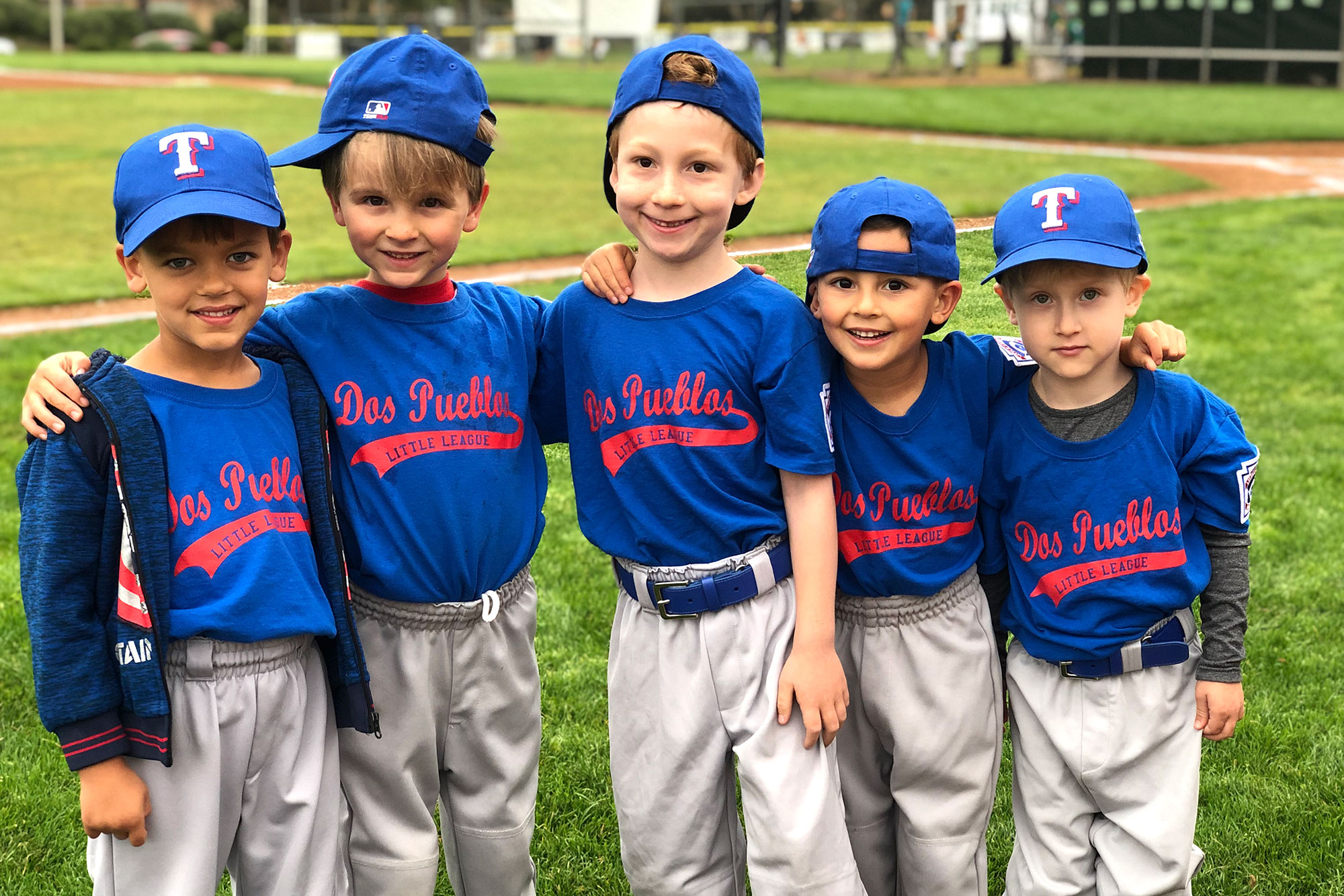
This article explores the fundamental structure of MLB teams, highlighting the factors that define their success, rivalry, and enduring connection with their local communities.
The Dual Structure: National League vs. American League
MLB is organized into two primary leagues, each further subdivided into three divisions (East, Central, and West). While the leagues share a common set of rules for competitive play, a key distinction—the presence of the Designated Hitter (DH)—historically separated them, though the DH rule is now universal.
The American League (AL)
The AL is often characterized by a greater focus on power hitting and pitching specialization. Largely due to its early embrace of the Designated Hitter rule. Which allowed teams to field a professional hitter in place of the pitcher. Historic powerhouses like the New York Yankees and the Boston Red Sox dominate the AL East. Creating one of the most intense and lucrative rivalries in all of professional sports. The AL West features high-octane offenses and often fierce competition for playoff spots. While the AL Central is known for its scrappy, pitching-focused teams.
The National League (NL)
The NL, which for many years upheld the tradition of pitchers batting, boasts some of the oldest franchises in baseball. Teams like the Los Angeles Dodgers, St. Louis Cardinals, and Chicago Cubs carry generations of history and tradition. The NL game was historically seen as more strategically nuanced, requiring managers to make more critical decisions regarding pinch-hitting. Double-switches, and bullpen management. Today, with the universal DH, the primary difference between the leagues lies in their distinct history and the structure of their interleague play schedule.
The Roster Composition: A Balancing Act of Talent
An MLB team’s success is a complex equation derived from the talent across its 26-man active roster, supported by its extensive minor league system.
The Core Players
- Starting Rotation: The foundation of any successful team is its five-man starting pitching rotation. These pitchers are responsible for providing quality innings, minimizing the load on the bullpen. And setting the tone for the series.
- The Lineup: A balanced offensive lineup features a mix of high-contact hitters, power sluggers, and players with strong on-base skills. The modern game places a high value on players who can hit for power and draw walks.
- The Bullpen: The relief pitching corps, including the closer, middle relievers, and setup men, is crucial for securing wins. The late innings of an MLB game often hinge on the depth and reliability of the bullpen.
The Minor League System
Every MLB team operates a complex farm system, comprising multiple minor league affiliates (ranging from Rookie League up to Triple-A). This system is the lifeblood of the organization, responsible for scouting, drafting, and developing future Major League talent. A strong farm system is essential for long-term sustained success, providing cost-effective replacements and trade assets.
The Business of Baseball: Financial Dynamics and Markets
MLB teams operate under a unique financial structure where vast differences in local media market size. And franchise value directly impact team budgets and player acquisition strategies.
- High-Revenue Markets: Teams in major metropolitan areas like New York, Los Angeles. And Boston generate massive revenues from ticket sales, local television deals, and sponsorships. These teams often have the highest payrolls and can aggressively pursue high-priced free agents.
- Mid- and Small-Market Teams: Teams in smaller markets rely heavily on clever scouting, player development. And smart trades to remain competitive. They must often trade their star players as they become expensive, relying on the constant churn of new, young talent to keep the pipeline flowing. This dynamic creates a perpetual challenge but also gives rise to Cinderella stories of teams that succeed through superior strategy and player development.
- The Competitive Balance Tax (Luxury Tax): To mitigate the effects of massive spending disparities, MLB employs a competitive balance tax (often called a luxury tax). Teams exceeding specific payroll thresholds are taxed, with the penalties increasing for repeat offenders. While not a hard salary cap, this mechanism encourages, but does not mandate, a degree of financial restraint.
The Fan Experience and Community Connection
The relationship between an MLB team and its city is one of deep, often multi-generational loyalty. The 162-game season allows baseball to weave itself into the fabric of summer life.
- Ballpark as Destination: MLB parks, from the ivy-covered walls of Wrigley Field to the waterfront view at Oracle Park, are destinations in themselves. They serve as gathering places that celebrate local culture, cuisine, and history.
- Legacy and Identity: A team’s history—its past championships, iconic players, and legendary moments—forms a key part of the local identity. The rivalry with other cities and teams generates a strong sense of civic pride and passionate support that endures through winning and losing seasons alike.
Conclusion: The Enduring Narrative of 30 Teams
Major League Baseball is a magnificent mosaic, constructed from 30 distinct franchises, each with its own legacy, financial constraints, and strategic approach. The beauty of the league lies in the constant, year-round narrative that connects the history of the game to its present competition. Whether through the massive payrolls of the league’s titans or the ingenious minor league developments of the small-market clubs, every MLB team contributes chapters to the sprawling, endless story of baseball. This blend of tradition, commerce, and relentless competition ensures that America’s Pastime will continue to captivate and endure for generations to come.