
For decades, the cadence of the football calendar has dictated viewing habits across the globe. While weekends are traditionally saturated with fixtures, the introduction and consistent promotion of Monday Night Soccer (or Football, depending on the league) has successfully transformed the start of the working week into a highly anticipated television event. This weekly ritual, often featuring a marquee matchup or a key divisional clash, serves as the final punctuation mark on the weekend’s action and a bridge to the games ahead.
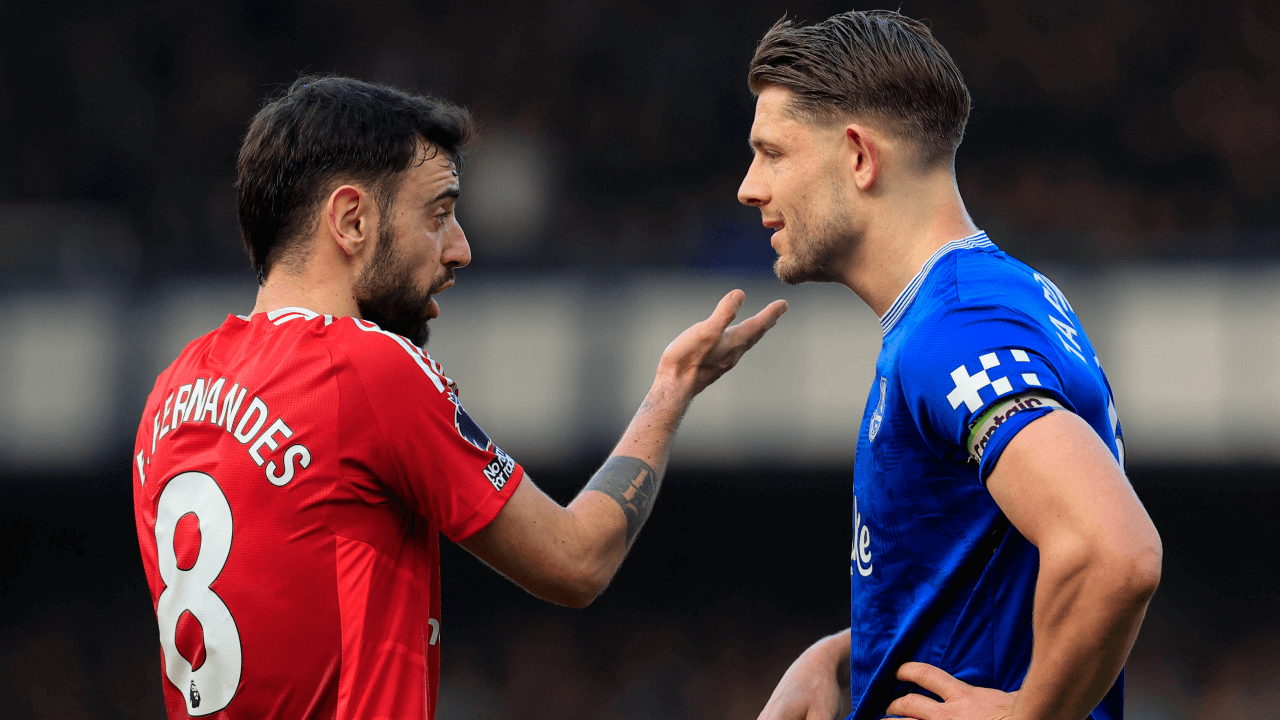
This article delves into the unique appeal of Monday night fixtures, examining their strategic importance for leagues, broadcasters, and, most importantly, the global viewing audience.
The Strategic Appeal for Broadcasters and Leagues
Monday night scheduling is not merely arbitrary; it is a calculated business move that maximizes exposure and revenue, benefiting both the organizing leagues and the television networks.
Maximizing Exclusive Airtime
By scheduling a high-profile game on Monday evening, leagues like the English Premier League, La Liga, and Major League Soccer (MLS) secure exclusive airtime. During the weekend, their broadcasts compete with dozens of other sports and events. On a Monday night, particularly in many global markets, the major competition is drastically reduced, guaranteeing a larger, more focused share of the viewing audience. This exclusivity translates directly into higher value for broadcast rights.
Capping the Weekend Narrative
Monday night soccer often serves to conclude the competitive narrative established over the weekend. Fans have already digested the results from Saturday and Sunday, allowing the Monday fixture to take on heightened significance. A game might decide which team ends the week in a playoff spot, which team is officially relegated, or which team takes the top spot in a closely contested table. This built-in dramatic context makes the Monday night game a critical piece of the weekly story.
Creating a Brand Identity
Broadcasters often invest heavily in the production value of their Monday night broadcasts, treating them as premium events. Special graphics, dedicated punditry teams, and in-depth analysis create a distinct brand for “Monday Night Soccer,” transforming a standard league fixture into a celebrated weekly tradition. This high production quality elevates the viewing experience and solidifies the fixture’s importance in the weekly schedule.
The Unique Atmosphere and Viewer Experience
For the fans watching at home and the supporters attending the match, Monday night games possess a different energy compared to weekend contests.
Increased Punditry and Analysis
One of the biggest draws of Monday night soccer is the in-depth studio analysis. Since all other games have been completed, pundits and analysts have the full context of the entire league table, player injuries, and managerial decisions. This allows for more comprehensive pre-game, half-time, and post-game dissections. Viewers are treated to higher-quality tactical breakdowns and statistical insights that may not be possible during the rapid-fire succession of weekend games.
The Emotional Stake
Attending a Monday night game often requires a greater commitment from local fans, who must navigate traffic and work schedules. This commitment translates into a highly passionate atmosphere within the stadium. For many fans, a win on Monday sets a positive tone for their entire week, increasing the emotional stakes for both players and supporters. The energy often feels distinct—less celebratory than a Saturday afternoon, but more focused and intense, driven by the desire to secure a crucial three points under the solitary spotlight.
Global Water Cooler Talk
For the international audience, the Monday fixture often provides the definitive talking point for the following work day. Whether it’s a controversial referee decision, a stunning goal, or a dramatic upset, the result dominates sports conversations across social media platforms and in offices worldwide. Monday Night Soccer acts as a global shared experience, creating a collective discussion that transcends geographic boundaries.
Challenges and Considerations
Despite its immense popularity, Monday night scheduling does present certain challenges, particularly for the participating clubs.
- Preparation Time: Teams playing on Monday often have a shorter turnaround to prepare for their next match, particularly if they are involved in midweek cup competitions or European fixtures. This logistical challenge requires careful squad rotation and tactical planning from the management.
- Fan Travel: For traveling away supporters, attending a Monday night game can be highly inconvenient and costly, often requiring time off work and complex travel arrangements. Leagues continually face criticism regarding the impact of these scheduling decisions on the loyal traveling fan base.
Conclusion: The Start of the Week, The Peak of the Action
Monday Night Soccer has successfully carved out its own powerful identity within the congested sports calendar. It is a strategic masterpiece for broadcasters seeking exclusive content and a weekly high-stakes drama for viewers seeking compelling analysis and intense competition. By concluding the weekend’s narrative and providing a singular, focused event, the Monday night fixture has become far more than just another game; it is a vital, much-loved ritual that officially kicks off the global working week with a powerful dose of world-class football.