Soccer, or football, is the world’s most popular sport, boasting billions of fans and a calendar packed with year-round competitive action. To keep up with the sheer volume of matches, leagues, and tournaments—from the English Premier League and Spain’s La Liga to the UEFA Champions League and the World Cup—a sprawling ecosystem of Soccer Channels has emerged. These channels are the lifeblood of the sport, delivering not only live match coverage but also the essential analysis, news, and drama that fuel the passion of the global fan base.
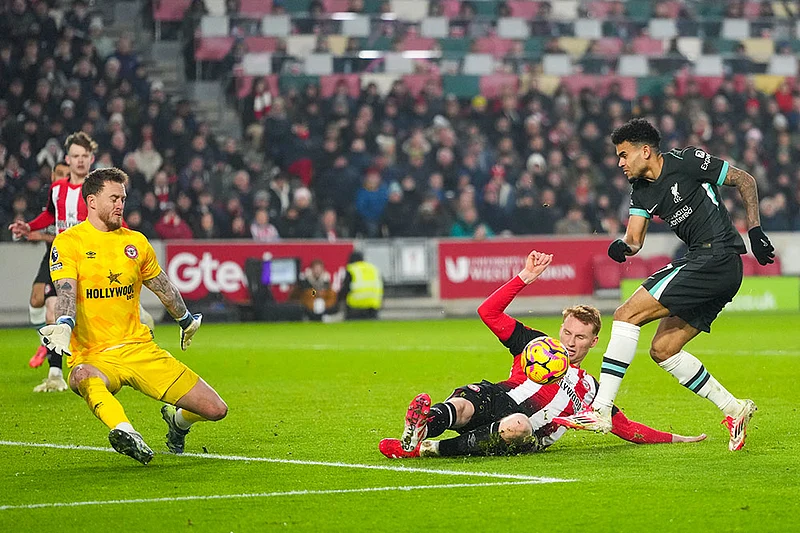
This article explores the landscape of soccer channels, detailing the dominant players, the critical role of streaming, and how these platforms have revolutionized the way fans consume the beautiful game.
The Giants of Traditional Broadcast
For decades, major sports networks have served as the primary gatekeepers of elite soccer coverage, using their extensive resources to secure exclusive rights to the most valuable leagues.
Sky Sports and BT Sport (UK)
In the UK, the original home of professional football, the market is dominated by major pay-TV networks like Sky Sports and BT Sport (now TNT Sports). They engage in multi-billion dollar bidding wars for the rights to the Premier League, often splitting the weekly fixtures.
- High Production Value: These channels set the gold standard for soccer broadcasting, offering multiple camera angles, sophisticated graphics, and deep-dive analysis from former players and top-tier pundits. The quality of their pre- and post-match studio shows often rivals the excitement of the games themselves.
- Domestic Focus: While they carry major European competitions, their primary focus remains the intense domestic schedule, ensuring viewers have comprehensive coverage of every crucial match and compelling narrative within the league.
ESPN and FOX Sports (USA)
In the United States, soccer’s growing popularity has led major networks to heavily invest in rights. ESPN (which often holds rights to La Liga, the Bundesliga, and major international tournaments) and FOX Sports (historically linked to the World Cup and CONCACAF tournaments) have made soccer a priority. Their commitment signifies the sport’s elevated status in a crowded American media market.
The Rise of the Direct-to-Consumer (DTC) Streaming Model
The 21st century has seen a paradigm shift away from traditional cable subscriptions, with streaming services emerging as critical players, offering fans unparalleled access and flexibility.
The Power of ESPN+ and Peacock (USA)
In the US market, platforms like ESPN+ and NBC’s Peacock have acquired significant league rights, particularly for the Premier League and other European leagues. This shift means that fans must now often subscribe to multiple streaming services to watch all their favorite teams.
- Affordability and Accessibility: While fragmentation can be frustrating, these platforms offer soccer content at a lower barrier to entry than traditional cable packages, appealing to younger, tech-savvy audiences. They often provide access to out-of-market games and lower-tier league matches that were previously unavailable.
Regionalization and Global Players
Globally, services like beIN Sports dominate the Middle East and North Africa with their comprehensive coverage of virtually all top European leagues. Meanwhile, leagues themselves are developing their own DTC channels, allowing them to control distribution, gather viewer data, and build direct relationships with their fans worldwide.
The Content Beyond the Pitch
Modern soccer channels offer far more than live matches; they provide a 24/7 immersion into the football ecosystem.
News, Analysis, and Transfer Talk
Channels like Sky Sports News and dedicated soccer feeds fill the space between matches with crucial peripheral content. This includes:
- Transfer Rumors: The constant speculation around player transfers is a huge driver of viewership, especially during the transfer windows in January and summer.
- Tactical Analysis: Shows dedicated to deep tactical breakdowns and statistical analysis (e.g., examining expected goals or pressing schemes) cater to the increasingly knowledgeable fan base.
- Documentaries and Player Features: High-quality documentaries and player profiles offer a look behind the scenes, building narrative depth and emotional connection between fans and their heroes.
The Role of the Digital Channel
Official club and league YouTube channels and social media feeds now act as essential secondary “channels.” They provide instant highlights, behind-the-scenes footage, press conference coverage, and unique digital content that complements the main broadcast, driving continuous engagement even when no match is being played.
Conclusion: The Future of Football Viewing
The landscape of soccer channels is defined by intense competition and technological evolution. From the established polish of the traditional pay-TV giants to the agile, global reach of streaming platforms, these channels have successfully digitized and democratized the world’s game. For the global soccer fan, this complex ecosystem offers an unprecedented level of access, ensuring that whether it is a crucial Premier League match or a late-night South American clash, the beautiful game is always available, live and in high definition, on a screen near you.