Beyond the high-stakes world of professional leagues and the intense pressure of varsity athletics, there exists a unique and vibrant subculture within the academic world: Faculty Basketball. Often dismissed as a mere recreational pastime, faculty basketball—where professors, lecturers, and university staff trade their suits and lab coats for jerseys—plays a critical role in the social and psychological fabric of a university campus. It is a space where the rigid hierarchies of academia dissolve, replaced by the democratic flow of a fast break and the shared pursuit of a perfect jump shot.
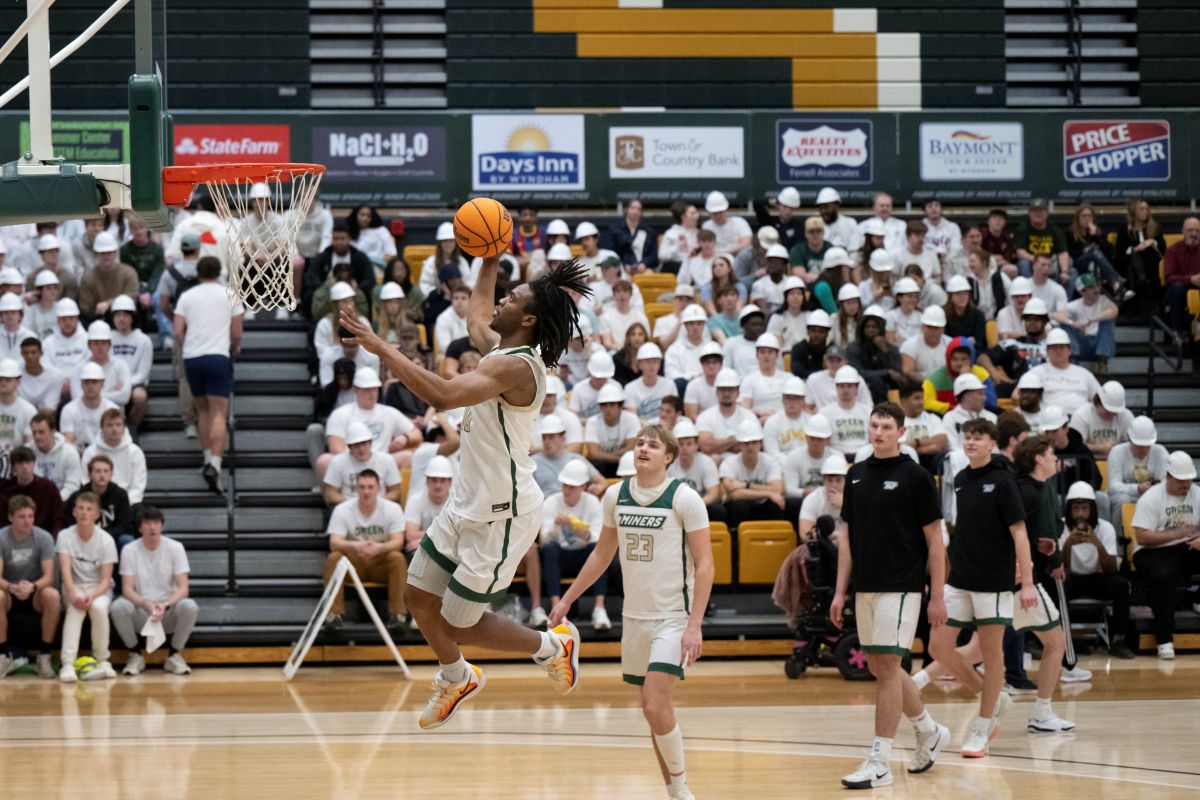
The Cultural Significance of the Faculty League
In a traditional university setting, the relationship between faculty and students, or even between junior and senior staff, is often defined by formal boundaries. Faculty basketball serves as a powerful “great equalizer.” When a tenured department head is guarding a first-year teaching assistant, the academic credentials matter far less than lateral quickness and defensive positioning.
This environment fosters a sense of community that is difficult to replicate in a lecture hall or a staff meeting. It breaks down the “ivory tower” perception, showing students and the wider community that educators are multifaceted individuals. For the faculty themselves, these games provide a vital outlet for stress. The cognitive demands of research, grading, and administration are heavy; the physical demand of a full-court press offers a necessary mental reset, shifting the focus from abstract theories to tangible physical execution.
Tactical Nuances: The “Old School” Style of Play
If professional basketball is defined by “above-the-rim” athleticism and modern analytics, faculty basketball is often a masterclass in “old school” fundamentals. Because the average age in a faculty league is typically higher than in student leagues, the game relies more on strategy, positioning, and high-level Basketball IQ than on raw verticality.
In faculty games, you will often see:
- Efficient Ball Movement: With less emphasis on isolation plays, faculty teams tend to prioritize the “extra pass” to find the open man.
- Mastery of the Mid-Range: While the modern NBA has moved away from the mid-range jumper, it remains a staple of faculty play, where players use crafty footwork to find space within the arc.
- Zone Defenses: To conserve energy and compensate for a lack of elite speed, many faculty teams employ sophisticated zone defenses, such as the 2-3 or 3-2 sets, which require excellent communication and spatial awareness.
Health and Longevity: The Science of the Aging Athlete
Playing basketball as a faculty member requires a specific approach to sports science. As athletes age, the risk of tendon injuries and joint wear increases. Successful faculty players are often those who treat their bodies with the same analytical rigor they apply to their research.
Maintaining cardiovascular health is the baseline, but the “smart” faculty athlete focuses heavily on “pre-habilitation.” This includes strengthening the posterior chain—the glutes, hamstrings, and lower back—to support the impact of running on hardwood. Furthermore, because basketball is a game of erratic, multi-directional movement, balance training becomes essential. Understanding the mechanics of landing and the importance of a proper warm-up routine is what allows a professor to stay active on the court well into their sixties.
Bridging the Gap: Faculty vs. Student Games
One of the most anticipated events on many campus calendars is the annual “Faculty vs. Students” charity game. These events are more than just entertainment; they are a bridge between two different worlds. For students, it is a chance to see their “strict” instructors in a vulnerable, human light. For faculty, it is a chance to earn a different kind of respect from their pupils.
Tactically, these games are a fascinating study in contrasts. The students usually bring superior speed, stamina, and jumping ability. The faculty, however, often counter with superior discipline, fewer turnovers, and a better understanding of game clock management. These matchups teach a valuable life lesson: that experience and strategy can often compete effectively against raw, unrefined talent.
Building a Professional Network on the Hardwood
The “water cooler” of the academic world isn’t always in the breakroom; sometimes, it’s on the baseline. Faculty basketball is an incredible networking tool. It is perhaps the only place where a Physicist, a Historian, and a Dean of Admissions spend an hour in close, collaborative contact.
Many interdisciplinary research projects and administrative breakthroughs have their roots in a post-game conversation. The trust built through sporting competition—knowing that your teammate has your back on a defensive rotation—easily translates into professional trust in a committee room. It fosters a “One University” mentality that breaks through departmental silos.
Conclusion
Faculty basketball is far more than an exercise in nostalgia or a way to burn calories. It is a vital component of the modern university ecosystem. It promotes physical health, mental well-being, and social cohesion across diverse academic disciplines. By emphasizing fundamentals, strategy, and mutual respect, faculty athletes prove that the pursuit of excellence does not end when one leaves the classroom. Whether it’s a high-stakes charity game or a quiet Tuesday morning pickup session, the sound of a ball bouncing on a campus court is the sound of a community staying connected, healthy, and human.
Would you like me to draft a sample set of “House Rules” for a new faculty league or perhaps a list of injury-prevention exercises specifically tailored for the academic athlete?