Baseball is often referred to as “America’s Pastime,” but its influence has stretched far beyond the borders of the United States, becoming a cultural pillar in nations like Japan, South Korea, the Dominican Republic, and Venezuela. At first glance, the game may seem slow-paced compared to the frantic back-and-forth of basketball or soccer. However, for the initiated, every pitch is a high-stakes psychological battle. To truly understand baseball, one must appreciate the delicate balance between individual skill and collective strategy that unfolds over nine innings.
The Geometry of the Game: Understanding the Diamond
The architectural heart of baseball is the “Diamond,” which is technically a square set at a 45-degree angle. The four bases—Home Plate, First Base, Second Base, and Third Base—are situated exactly 90 feet apart. In the center of this square lies the Pitcher’s Mound, positioned 60 feet and 6 inches away from home plate.
This specific geometry dictates the entire rhythm of the sport. A “ground ball” to shortstop requires a fielder to transition the ball to first base in roughly four seconds or less, as that is the average time it takes a professional athlete to sprint 90 feet. This creates a game of inches and split-seconds, where the difference between an “out” and a “safe” call is often invisible to the naked eye.
The Duel: Pitcher vs. Batter
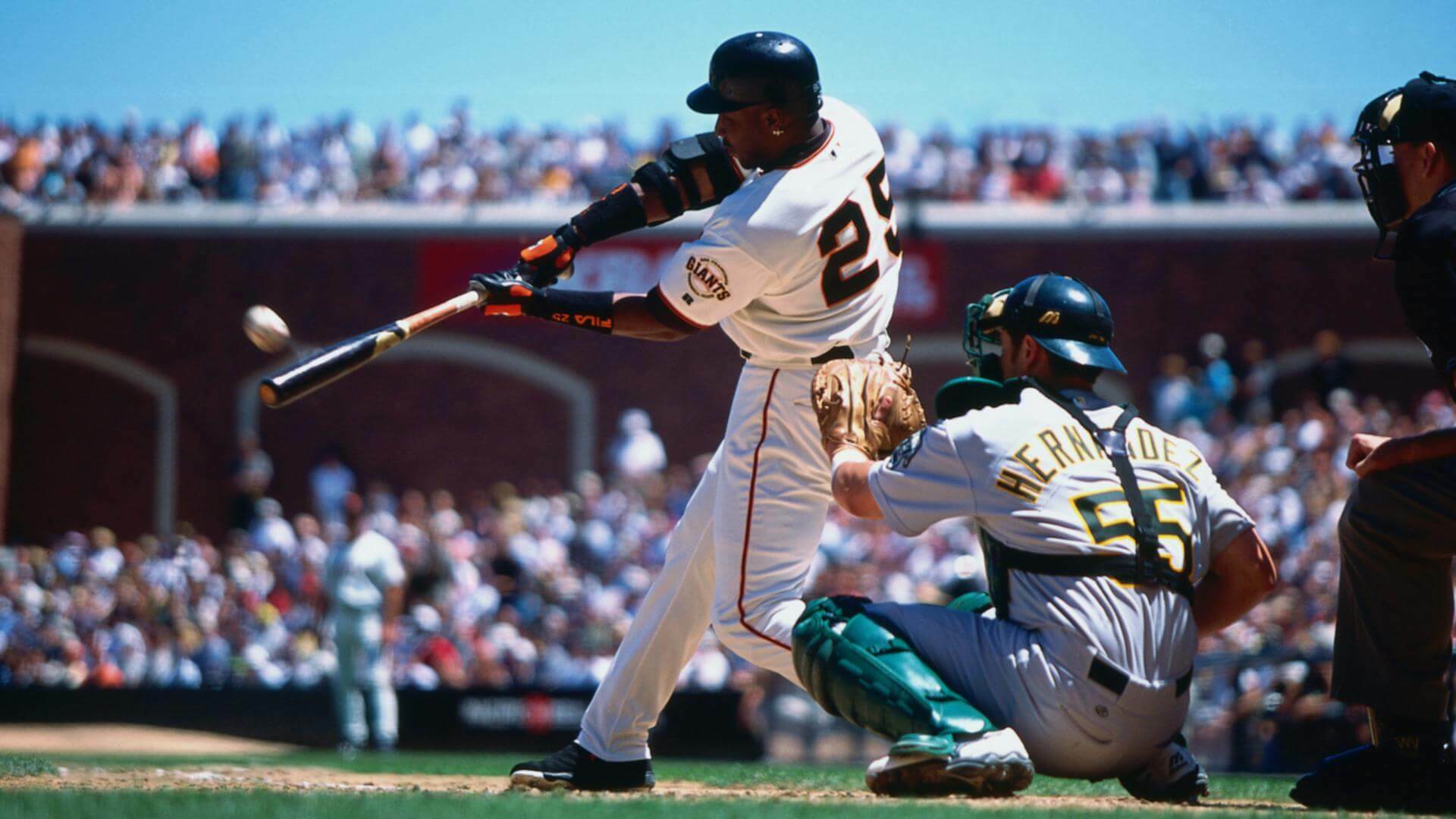
The core of baseball is the confrontation between the pitcher and the batter. This is not merely a test of hand-eye coordination; it is a game of information and deception.
Pitchers utilize a variety of “grips” on the ball to manipulate its movement through the air. A Four-Seam Fastball is designed for maximum velocity, often reaching speeds over 100 mph. In contrast, a Curveball or Slider uses the stitches of the ball to create air resistance, causing the ball to “break” or dive just as it reaches the plate.
The batter’s goal is to decipher the rotation of the ball within a fraction of a second. If a batter can identify the spin early, they can predict the trajectory and time their swing accordingly. This mental “chess match” resets with every single pitch, making the pitcher-catcher “battery” one of the most intellectually demanding partnerships in all of sports.
The Evolution of Strategy: Small Ball vs. Moneyball
Historically, baseball was a game of “Small Ball.” This strategy emphasized bunting, stealing bases, and “hit-and-run” plays to move runners around the bases one at a time. It was a game of attrition and tactical precision.
However, the late 1990s and early 2000s saw the rise of “Sabermetrics” (often popularized by the book and film Moneyball). Teams began using advanced data to realize that “outs” are the most precious resource in the game. Strategies shifted toward maximizing “On-Base Percentage” (OBP) and “Slugging Percentage.”
In the modern era, you will hear terms like Launch Angle and Exit Velocity. Players now train to hit the ball at a specific upward angle to increase the probability of a home run. While this has led to more high-scoring games, it has also led to a higher frequency of strikeouts, creating a persistent debate among fans about the “purest” way to play the game.
Defensive Mastery and Positioning
While the pitcher is the primary defender, the eight other players on the field are essential to preventing runs. Defense in baseball is about “probability management.”
Modern teams use “The Shift,” where fielders move away from their traditional positions based on a batter’s historical hitting tendencies. If data shows a left-handed hitter pulls 90% of their ground balls to the right side of the field, the shortstop might move to the right of second base. This data-driven positioning has revolutionized the defensive side of the ball, turning what used to be “base hits” into routine outs.
Furthermore, the “battery” (pitcher and catcher) must work in perfect harmony. The catcher is often considered the “on-field general,” as they are the only player who can see the entire field. They signal which pitch to throw and where to place it, constantly adjusting based on the batter’s stance and previous swings.
The Rhythm of the Season and the Postseason
A professional baseball season is a grueling test of endurance. In Major League Baseball (MLB), teams play 162 games in roughly 180 days. This daily grind means that consistency is more important than a single explosive performance. A team can lose 60 games and still be considered one of the greatest of all time.
The playoffs, however, are a different beast. The “October Classic” or World Series shifts the focus from endurance to “clutch” performance. Because the series are short (best of five or seven), a single mistake or a single heroic home run can define a player’s entire career. This contrast between the long, lazy summer days of the regular season and the high-tension chill of the autumn postseason is what gives baseball its unique poetic structure.
Conclusion
Baseball is a sport that rewards patience and deep study. It is a game where failure is the norm—even the best hitters in history failed to get a hit seven out of ten times. This inherent difficulty is what makes a “walk-off” home run or a “perfect game” so magical. Whether you are analyzing the physics of a breaking ball or simply enjoying the atmosphere of a stadium on a warm evening, baseball offers a layer of depth for every kind of fan. It remains a testament to the idea that with the right strategy and a bit of teamwork, anyone can find their way back home.
Would you like me to provide a breakdown of the most common baseball statistics like ERA and OPS, or perhaps a guide on the different types of pitches and how they are gripped?